







Key Airports Connecting Indianapolis (IND) to India
Most flights from Indianapolis to India involve a connection through major international hubs. These airports offer modern facilities, lounges, and smooth onward connections to Indian cities.
Indianapolis International Airport (IND)
- Main gateway for travelers from Indianapolis and central Indiana flying internationally.
- Access to airline and partner lounges at onward connecting hubs.
- Convenient connections to major U.S. and international hubs for onward travel to India.
Dubai International Airport (DXB)
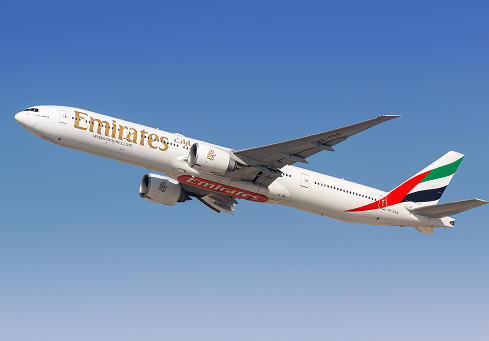
- Emirates’ global hub with extensive connections to cities across India.
- Premium lounges, in-terminal hotels, and a wide range of dining and shopping options.
- Multiple daily departures to Indian destinations like Delhi, Mumbai, Bangalore, and more.
Doha Hamad International Airport (DOH)
- Qatar Airways’ award-winning hub with modern design and easy transfers.
- Access to the Al Mourjan Business Lounge for eligible travelers.
- Frequent flights to major Indian cities and efficient connection times.
Abu Dhabi International Airport (AUH)
- Etihad Airways hub offering connections to Delhi, Mumbai, Chennai, Hyderabad, and other Indian cities.
- Premium lounges with spa treatments, showers, and quiet zones.
- Additional ground services such as chauffeur options for select premium passengers.
Delhi Indira Gandhi International Airport (DEL)
- A primary entry point to North India for travelers arriving from North America.
- Modern terminals with lounges, duty-free shopping, and convenient domestic connections.
- Ideal hub for onward journeys across North and Central India.
Mumbai Chhatrapati Shivaji Maharaj International Airport (BOM)
- Major hub for western India and a popular arrival point from North America.
- Premium lounges, comfortable waiting areas, and efficient transfer options.
- Excellent connections to Goa, Pune, and various South and West Indian cities.
Travel Styles for Indianapolis to India Flights
Choose an itinerary that fits your comfort level, time constraints, and budget. Whether you prefer shorter total travel time or better value, there’s a routing option for you.
Fastest Connections
- Take a short domestic flight from Indianapolis to a major U.S. hub like Chicago or Newark.
- Connect to a non-stop or single-stop long-haul flight to Delhi or Mumbai.
- Ideal for those who want to minimize layovers and total journey time.
One-Stop & Flexible Itineraries
- Travel via hubs such as Dubai, Doha, Abu Dhabi, Frankfurt, or London.
- Often offer a good balance between price, comfort, and schedule options.
- Great for enjoying premium lounges and services during a single, well-timed layover.
Popular Routes from Indianapolis (IND) to India
With no direct non-stop flights from Indianapolis to India, most travelers use one or two connections. Here are some of the most popular and convenient route options.
Indianapolis (IND) → U.S. Hub → India
- Fly from IND to hubs like Chicago (ORD), Newark (EWR), or New York (JFK).
- Connect to a non-stop United or Air India flight to Delhi or Mumbai.
Indianapolis (IND) → Dubai → India
- Travel from IND to a gateway city, then onward to Dubai (DXB) with Emirates.
- Continue from Dubai to multiple Indian destinations with extensive daily frequencies.
Indianapolis (IND) → Doha → India
- Connect via Doha (DOH) with Qatar Airways for one-stop access to many Indian cities.
- Enjoy premium in-flight service and highly rated transit facilities.
Indianapolis (IND) → Abu Dhabi → India
- Fly IND to a connecting point and onward to Abu Dhabi (AUH) with Etihad Airways.
- From AUH, continue to Delhi, Mumbai, Chennai, Hyderabad, and more.
Indianapolis (IND) → Europe → India
- Connect from IND through hubs like Frankfurt, London, or Amsterdam.
- Continue on leading European or Indian carriers to your final destination in India.
Indianapolis (IND) → East Asia → India
- Some travelers opt to route via Singapore or Hong Kong for an enhanced in-flight experience.
- Though journey times may be longer, airlines like Singapore Airlines and Cathay Pacific offer exceptional premium services and airport facilities.