International travel from the United States to India has become increasingly common, driven by family ties,
business expansion, education, and tourism. Among the most important routes connecting the two countries is
the journey between Washington and Mumbai. Mumbai, India’s financial capital and cultural powerhouse,
attracts millions of international travelers every year. From global business professionals to leisure
explorers, this route continues to see strong demand.
For travelers researching flights from Washington DC
to Mumbai India, understanding not only airfare
strategies but also documentation requirements is essential. International travel planning extends far
beyond booking a ticket. Passport validity, visa application procedures, processing timelines, and
compliance with immigration regulations all play a crucial role in ensuring a smooth and stress-free
journey. This comprehensive guide covers everything travelers need to know, including flight planning,
travel comfort, documentation processing, and essential travel tips.
Why Washington to Mumbai Is a High-Demand Travel Route
Washington, DC. stands as a global diplomatic and business center, while Mumbai represents India’s financial
heartbeat. The city is home to multinational corporations, major financial institutions, thriving
entertainment industries, and diverse cultural communities. This strong economic and cultural exchange
creates constant travel demand between the two cities.
Business travelers frequently commute for conferences, corporate meetings, and trade engagements. Families
travel to reunite with loved ones, while students pursue higher education and career opportunities.
Additionally, Mumbai’s status as a medical tourism destination attracts international patients seeking
world-class healthcare services. This multi-dimensional demand ensures frequent flight availability, varied
pricing structures, and evolving service standards.
Understanding Travel Duration and Routing Options
Flights from Washington to Mumbai typically involve long-haul travel, with total journey times ranging from
sixteen to twenty-five hours depending on routing, layovers, and transit durations. Nonstop connections
provide faster travel times, while one-stop routes offer flexibility and sometimes more affordable pricing.
Layover durations significantly impact total travel comfort. Short connections reduce travel fatigue, while
longer layovers provide opportunities for rest, dining, and relaxation. Selecting a suitable travel route
involves balancing total travel time, comfort, cost efficiency, and scheduling convenience.
Best Time to Travel from Washington to Mumbai
Choosing the right travel season enhances both comfort and overall travel experience. Mumbai experiences
three primary seasons: winter, summer, and monsoon.
Winter months, from November to February, offer the most pleasant climate, making sightseeing and business
travel comfortable. During this period, travelers experience cooler temperatures, low humidity, and vibrant
cultural activities. This season is considered ideal for tourism and professional visits.
Summer, from March to May, brings higher temperatures and humidity. While travel remains possible, outdoor
activities become more challenging. However, airfare and accommodation prices often decrease during this
period, making it attractive for budget-conscious travelers.
Monsoon season, from June to September, brings heavy rainfall and lush greenery. While the city becomes
scenic, heavy showers can occasionally disrupt travel schedules. Nevertheless, reduced tourist crowds and
lower hotel rates make it appealing for off-season travelers.
Smart Booking Strategies and Travel Comfort
Planning airfare strategies plays a vital role in securing cost-effective and comfortable travel. Early
booking allows travelers to access better seat selection, flexible schedules, and competitive fares. Those
seeking premium comfort often monitor deals for first class flight tickets to
India, ensuring luxurious
travel experiences at optimized prices.
Travelers can explore comprehensive booking solutions through Myflyyatra, a trusted platform that offers
competitive pricing, personalized travel planning, and expert guidance for international travel
arrangements. From flexible itineraries to customized cabin options, Myflyyatra simplifies complex booking
processes and enhances travel confidence.
For travelers seeking deeper insights into premium cabin experiences and cost-saving strategies, this
business travel resource offers valuable guidance on luxury travel planning.
Understanding Cabin Classes for Long-Haul Travel
Long-haul flights require careful cabin selection based on comfort preferences, budget, and travel
objectives. Economy class offers affordable pricing, ergonomic seating, entertainment systems, and
complimentary meals. It serves as a practical option for most leisure and family travelers.
Premium cabins provide significantly enhanced comfort, featuring spacious seating, private layouts, fine
dining, premium entertainment systems, and personalized service. These cabins reduce travel fatigue, improve
sleep quality, and enhance productivity for business travelers. Priority services such as expedited
check-in, lounge access, and increased baggage allowances further elevate the travel experience. Travelers
seeking premium comfort, superior onboard services, and exclusive amenities can explore business class
flights to India to better understand luxury travel options, seating comfort, dining experiences,
and
cost-saving strategies for long-haul international journeys.
Arriving in Mumbai: First Impressions and Urban Dynamics
Mumbai welcomes travelers with an energetic blend of colonial heritage, modern skyscrapers, bustling markets,
and coastal beauty. As India’s financial capital, the city operates around the clock, offering a dynamic
environment rich in cultural diversity.
The city’s fast-paced lifestyle, vibrant street culture, and architectural contrasts provide visitors with
immersive experiences. From colonial-era landmarks to contemporary business districts, Mumbai reflects
India’s evolving identity.
Exploring Major Attractions in Mumbai
Mumbai’s sightseeing experiences blend history, spirituality, entertainment, and modern leisure. Iconic
landmarks such as the Gateway of India stand as powerful symbols of colonial-era architecture and maritime
heritage. Nearby, historic districts offer walking tours through heritage structures and cultural hubs.
Marine Drive, often called the Queen’s Necklace, provides scenic coastal views, especially during sunset
hours. The Elephanta Caves, located offshore, showcase ancient rock-cut temples dedicated to Hindu deities,
offering insights into early Indian artistry.
Film enthusiasts explore the entertainment hubs that form the backbone of India’s film industry, while art
lovers visit galleries and museums that celebrate Indian creativity.

Shopping and Culinary Experiences in Mumbai
Mumbai offers unparalleled shopping experiences, ranging from luxury boutiques to vibrant street markets.
High-end shopping districts feature international brands, while traditional bazaars sell handcrafted
textiles, jewelry, spices, and souvenirs.
Food lovers find endless culinary delights across Mumbai’s diverse dining landscape. Street vendors serve
iconic snacks, while fine-dining establishments present gourmet interpretations of regional and
international cuisine. Mumbai’s culinary diversity reflects the city’s multicultural identity, ensuring
memorable dining experiences for all travelers.
Transportation and Local Travel in Mumbai
Mumbai’s extensive transportation network includes suburban trains, metro lines, taxis, and ride-sharing
services. Local trains remain the city’s lifeline, offering affordable and efficient connectivity. Modern
metro expansions have improved travel convenience, especially for tourists navigating major attractions.
Careful planning and off-peak travel help visitors navigate traffic congestion and enhance sightseeing
efficiency.
Complete Guide to Passport and Visa Processing for India Travel
International travel requires accurate documentation planning. Passport validity and visa approval are
mandatory for entry into India. Understanding these requirements helps travelers avoid last-minute
complications and ensures smooth immigration processing.
Passport Validity Rules for Travel to India
Travelers must possess a passport with a minimum validity of six months beyond the intended date of arrival
in India. The passport should contain at least two blank pages for immigration stamps. Travelers with
damaged, expired, or nearly expired passports should renew well in advance of travel.
Passport renewal processing times vary depending on service level. Routine processing may take several weeks,
while expedited services offer faster turnaround. Applying early helps avoid unnecessary travel delays.
Step-by-Step Visa Application Process for India
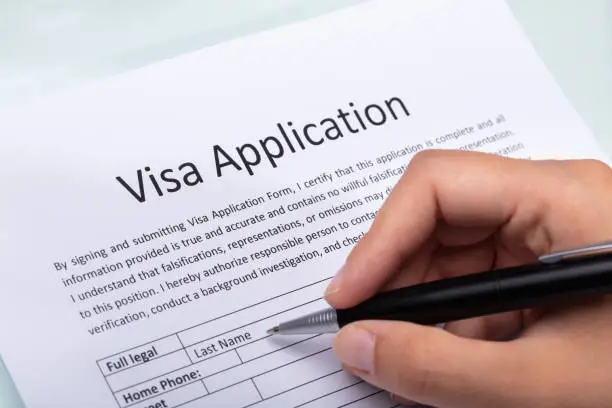
The Indian visa application process involves several structured steps. Travelers must first complete an
online application form available through authorized visa processing portals. Accurate information entry is
essential, as discrepancies may result in processing delays or rejections.
After submitting the online application, applicants schedule an appointment at a designated visa processing
center to submit biometric data and supporting documents. These include passport copies, photographs, travel
itineraries, accommodation proof, and financial documentation.
Once documents are submitted, visa officers conduct background verification and processing. Applicants can
track their application status online. Upon approval, the visa is issued electronically or stamped in the
passport, depending on the visa type.
Required Documents for Indian Visa Application
Applicants must submit valid passports, recent photographs meeting official specifications, confirmed travel
itineraries, accommodation details, proof of financial stability, and employment verification letters.
Business travelers may require invitation letters from Indian organizations.
Students must submit an admission confirmation from educational institutions. Medical travelers require
documentation from recognized healthcare providers. Accurate document submission ensures smooth processing
and avoids unnecessary delays.
Processing Time and Application Timelines
Visa processing time varies depending on application volume, applicant nationality, and visa category.
Standard tourist visas typically process within several business days, while business and employment visas
may require extended verification periods.
Applying at least three to four weeks before intended travel is recommended to accommodate unforeseen delays.
Expedited services are available for urgent travel but may involve additional fees.
Important Travel Guidelines for Indian Entry
Upon arrival in India, travelers must comply with immigration regulations, including completing arrival forms
and biometric verification. Customs regulations restrict certain items, and travelers must declare
valuables, currency exceeding permitted limits, and restricted goods.
Health regulations may require proof of vaccination or medical documentation, depending on prevailing public
health guidelines. Travelers should review updated advisories before departure.
Common Mistakes to Avoid During Visa Processing
Errors in application forms, incomplete documentation, mismatched travel dates, and invalid passport validity
often result in delays or rejections. Travelers should double-check entries, ensure document consistency,
and follow official guidelines strictly.
Waiting until the last moment to apply remains the most common mistake. Early preparation minimizes risks and
ensures peace of mind.
Travel Assistance and Documentation Support
Professional travel guidance simplifies both flight booking and documentation processing. For personalized
support regarding visas, passport renewals, or itinerary planning, travelers can easily get in touch with
experienced travel advisors who offer reliable guidance and efficient solutions.
Final Thoughts
Traveling from Washington to Mumbai represents a meaningful international experience that blends professional
ambition, family connections, and cultural discovery. Careful planning of airfare, travel comfort,
documentation processing, and arrival preparation ensures a seamless journey.
By understanding flight strategies, securing necessary visas, maintaining passport validity, and planning
local travel, travelers can enjoy a smooth transition between continents. Mumbai’s vibrant culture, dynamic
business environment, and rich heritage offer unforgettable experiences for every visitor.
With proper preparation, informed decision-making, and professional guidance, travelers can transform
long-haul journeys into enriching global adventures.
FAQs:
The average travel time for flights from Washington DC to Mumbai, India typically ranges between
sixteen and twenty-five hours, depending on the route, number of stops, and layover duration.
Nonstop connections offer faster travel, while one-stop routes provide more flexibility and
cost-saving opportunities.
The ideal time to book flight tickets from Washington to Mumbai is at least six to ten weeks
before departure. Early booking allows travelers to secure better fares, preferred seating, and
flexible scheduling options. Off-peak seasons may also offer lower airfare.
Yes, first-class flight tickets to India provide unmatched comfort, privacy, luxury services,
and personalized attention, making them ideal for travelers seeking premium experiences. These
cabins significantly reduce travel fatigue and enhance overall journey comfort.
Travelers need a valid passport with at least six months of validity beyond their arrival date,
an approved Indian visa, confirmed return or onward tickets, and supporting documents such as
accommodation proof and financial records.
Visa processing times generally range from three to ten business days, depending on visa
category, application volume, and verification requirements. Travelers are advised to apply at
least three to four weeks before departure to avoid delays.
Flight change and cancellation policies depend on the fare rules selected at the time of
booking. Flexible fares often allow modifications with minimal charges, while discounted fares
may involve higher penalties. Always review fare conditions before confirming your booking.




.png)