Japan continues to attract travelers from around the world with its mix of tradition, technology, cuisine,
and culture. From cherry blossom season to business conferences in Tokyo and family vacations in Osaka, the
demand for Flights to Japan keeps growing every year. With long travel hours involved, many travelers now
look beyond standard economy seating to make the journey more comfortable.
This is where premium economy flights
to Japan have gained popularity. Positioned between economy and business class, premium economy
offers extra comfort without the high cost of luxury cabins. For long-haul routes, especially those crossing
multiple time zones, this balance of comfort and cost can significantly improve the overall travel
experience.
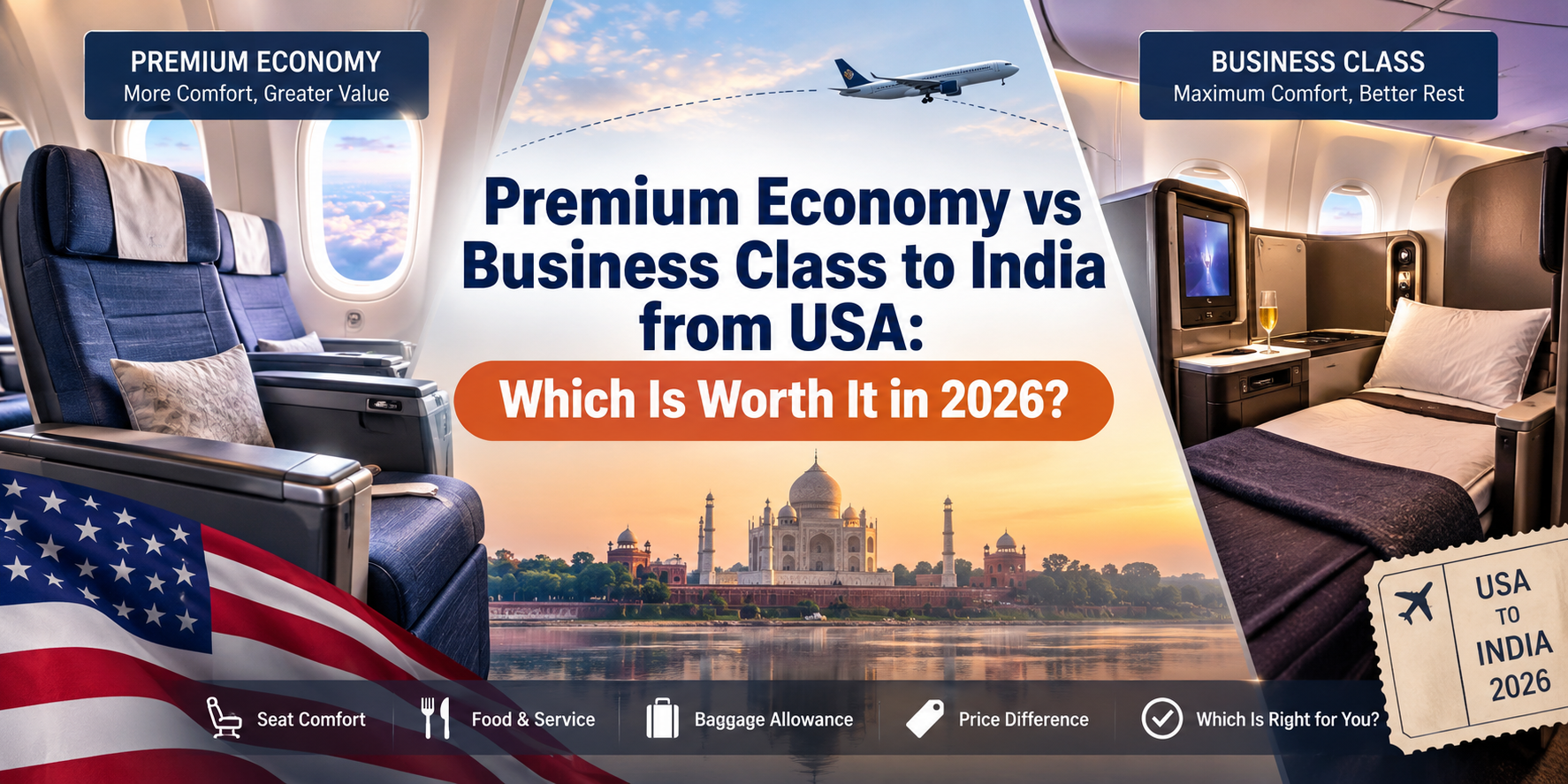
What Defines Premium Economy on Long Haul Routes
Premium economy is designed for travelers who want more comfort than economy but do not want to pay business
class prices. While features vary by airline, the core idea remains the same across most carriers.
Premium economy cabins usually have fewer seats per row, allowing more personal space. The seats are wider,
offer better recline, and often include leg rests or foot supports. The cabin itself is often located in a
quieter section of the aircraft, away from high-traffic areas like galleys and restrooms.
Service levels are also slightly elevated. Passengers may receive upgraded meals, improved entertainment
screens, and priority boarding on select airlines. While it does not match the luxury of business class,
premium economy creates a noticeable improvement over standard economy seating.
Comfort Features That Make a Difference on Flights to Japan
Flights to Japan from destinations like the United
States, Europe, or Australia can last anywhere from ten to fourteen hours or more. Sitting in a cramped
position for such long durations can take a toll on the body. Premium economy cabins are designed to reduce
this strain.
One of the most appreciated features is increased legroom. Even a few extra inches can make it easier to
stretch, shift positions, and relax during long flights. Wider seats also mean less shoulder contact, which
helps passengers sleep more comfortably.
Recline depth is another key benefit. Premium economy seats recline more than standard economy, allowing
travelers to rest without disturbing the passenger behind them. Some airlines also offer adjustable
headrests and calf supports, which add to overall comfort.
In-flight entertainment screens are often larger and more responsive. Combined with better quality
headphones, this makes watching movies or listening to music more enjoyable during long hours in the air.
Cost Considerations for Premium Economy Flights to Japan
One of the main reasons travelers consider premium economy flights to Japan is pricing. Premium economy
typically costs more than economy but significantly less than business class.
The price difference can range from twenty to fifty percent higher than the economy, depending on the
airline, season, and route. During peak travel periods such as spring and autumn, the gap may widen due to
higher demand. However, during off-peak seasons, premium economy upgrades can sometimes be surprisingly
affordable.
For travelers who value rest and comfort, the extra cost often feels justified. Arriving less tired means
being able to enjoy the destination sooner, whether that means attending meetings or exploring Japanese
cities right after landing.
Comparing Premium Economy and Economy for Long Distance Travel
The difference between economy and premium economy becomes more noticeable on long-distance routes. In
economy class, limited recline and narrow seating can lead to stiffness, fatigue, and disrupted sleep.
Premium economy helps reduce these issues by offering better seating ergonomics and a calmer cabin
environment. Sleep quality tends to improve, which plays an important role in managing jet lag. Passengers
often report feeling more refreshed on arrival when traveling in premium economy.
While economy class remains suitable for budget-focused travelers, premium economy serves those who want a
smoother travel experience without stepping into luxury pricing territory.
Who Should Consider Premium Economy Flights to Japan
Premium economy is not just for business travelers. It appeals to a wide range of passengers.
Leisure travelers on long vacations appreciate starting their trip in comfort. Seniors benefit from better
seating support and easier movement. Professionals flying for work may find premium economy ideal when
business class is not approved by company travel policies.
Families traveling with older children also find premium economy more comfortable, especially on overnight
flights. Anyone who struggles with long sitting hours or sleep discomfort in economy should consider this
option.
Midway through planning their journey, many travelers rely on platforms like MyFlyYatra to compare different premium economy options, evaluate
seat layouts, and choose flights that best match their comfort needs and budget.
Booking Tips to Get the Best Value
Finding the right premium economy flight requires a bit of strategy. Booking early often provides better
pricing and more seat availability. Flights to Japan tend to fill quickly during popular travel seasons, so
early planning helps secure preferred cabins.
Flexibility with travel dates can also make a big difference. Shifting departure or return by a day or two
sometimes results in noticeable savings. Comparing multiple airlines is important since premium economy
quality varies significantly across carriers.
Checking seat maps before booking ensures you select the most comfortable seat within the cabin. Some premium
economy rows offer extra legroom or are located further from high-traffic areas.
What to Expect Upon Arrival in Japan
Arriving in Japan after a long flight can be overwhelming, especially for first-time visitors. Travelers who
arrive well rested often handle immigration procedures, baggage collection, and onward travel more smoothly.
Premium economy passengers often feel less exhausted, making it easier to navigate public transportation,
hotel check-ins, and city travel. This can be especially helpful in busy airports like Tokyo Narita or
Haneda.
Being physically comfortable on arrival allows travelers to adapt faster to the local time zone and start
exploring Japan sooner.
Final Thoughts
Premium economy flights to Japan offer a thoughtful balance between comfort and cost, making long-distance
travel more manageable without the expense of business class. With better seating, improved service, and a
calmer cabin environment, premium economy helps travelers arrive feeling more refreshed and ready to enjoy
their journey.
If you are planning Flights to Japan and want a smoother travel experience, consider exploring premium
economy options. Book your premium economy flight to
Japan with MyFlyYatra today, compare airlines, seating options, and prices, and choose the flight
that fits your comfort needs and travel goals. A well-planned flight can make your journey to Japan just as
enjoyable as the destination itself.
FAQs:
Premium economy flights to Japan offer upgraded seating and enhanced onboard services compared
to standard economy class. Passengers benefit from extra legroom, wider seats, improved recline,
and a quieter cabin while paying significantly less than business class fares.
For long-haul Flights to Japan, premium economy is often worth the additional cost. The improved
comfort, better sleep quality, and reduced travel fatigue help travelers arrive more refreshed
and ready to enjoy their trip.
Premium economy flights to Japan typically cost around twenty to fifty percent more than economy
class. Prices vary depending on airline, season, route, and availability, with better deals
often found when booking early.
Premium economy is ideal for leisure travelers, business travelers without business class
approval, seniors, and anyone who values comfort on long flights. It is especially beneficial
for overnight and ultra-long-haul routes.
Booking premium economy flights to Japan six to ten weeks in advance usually provides the best
pricing and seat selection. Traveling during off-peak seasons and remaining flexible with dates
can also help secure better fares.




.png)