
Traveling from Washington to Delhi is more than just an international journey; it is a cultural transition
between two historically rich capitals. Washington represents political influence, museums, and modern
development, while Delhi stands as the heart of India’s heritage, traditions, and evolving metropolitan
life. Whether you are traveling for business, family visits, education, or leisure, planning your journey
carefully ensures both comfort and value.
For travelers searching for the best flight from Washington to
Delhi, understanding the factors that
influence comfort, pricing, and travel experience is essential. From selecting the right departure time and
cabin class to preparing for cultural immersion in Delhi, every detail matters. This guide offers complete
insights into travel planning while also serving as a comprehensive destination guide to help visitors
experience Delhi beyond the airport arrival.
Why Washington to Delhi Is a Popular Travel Route
Washington, DC., serves as a major international gateway in the United States, attracting diplomats,
corporate professionals, students, and tourists. Delhi, the capital of India, draws visitors from all over
the world due to its historical significance, dynamic urban culture, and growing business opportunities. The
strong diplomatic, educational, cultural, and commercial ties between the United States and India make this
route one of the busiest international travel corridors.
Families visiting relatives, professionals attending conferences, entrepreneurs exploring market
opportunities, and tourists discovering India’s heritage all contribute to consistent passenger demand. This
steady travel flow has resulted in multiple routing options, improved comfort levels, and competitive
pricing, giving travelers greater flexibility when planning their trips.
Understanding Travel Routes and Journey Duration
Flights between Washington and Delhi typically operate with either nonstop or one-stop connections, depending
on scheduling and seasonal availability. Total travel time generally ranges between fourteen and twenty
hours, influenced by routing, transit duration, and departure timing.
Nonstop flights offer the fastest journey, while one-stop options provide flexibility in departure schedules
and fare variations. Travelers seeking reduced fatigue often prefer shorter travel times, while
budget-conscious passengers may consider longer connections to secure lower fares. Selecting the right route
requires balancing comfort, convenience, and cost efficiency.
Choosing the Best Time to Travel to Delhi
The timing of your visit plays a crucial role in both travel comfort and sightseeing enjoyment. Delhi
experiences three primary seasons: winter, summer, and monsoon. Each season offers distinct advantages and
challenges for visitors.
Winter, from October to March, is widely considered the best time to visit Delhi. During these months,
temperatures remain pleasant, making sightseeing comfortable. Cultural festivals, outdoor markets, and
historical tours flourish during winter, offering travelers a vibrant experience.
Summer, from April to June, brings high temperatures, often exceeding comfort levels for extensive
sightseeing. However, this period offers lower airfare and accommodation costs, making it appealing for
budget travelers willing to tolerate heat.
Monsoon season, from July to September, brings refreshing rainfall that cools the environment but can
occasionally disrupt travel plans. However, the city’s greenery, fewer crowds, and reduced hotel prices make
it attractive for off-season exploration.
Smart Booking Strategies for Cost and Comfort
Knowing when and how to book significantly impacts travel expenses. Early planning allows travelers to secure
better seating options, flexible schedules, and competitive fares. Those looking for premium travel
experiences often monitor business class flight deals to enjoy luxury travel at reduced costs.
Travelers can explore curated travel solutions through Myflyyatra,
a trusted platform that offers seamless
booking experiences, expert travel guidance, and customized itinerary planning. Whether booking economy or
premium cabins, Myflyyatra helps travelers find balanced options between cost efficiency and comfort.
Travelers interested in luxury cabin travel insights and cost-saving strategies can explore this detailed
guide that explains premium travel experiences and booking strategies for transcontinental journeys.
Understanding Cabin Comfort for Long-Haul Travel
The long distance between Washington and Delhi makes cabin comfort an important factor in trip planning.
Economy class offers affordability and essential amenities suitable for most travelers, including adjustable
seating, in-flight entertainment, and complimentary meals. These features ensure acceptable comfort levels
throughout the journey.
Travelers seeking deeper insights into premium comfort, onboard luxury, and service quality can explore this
business
class flight experience guide to better understand how luxury travel transforms long-haul journeys.
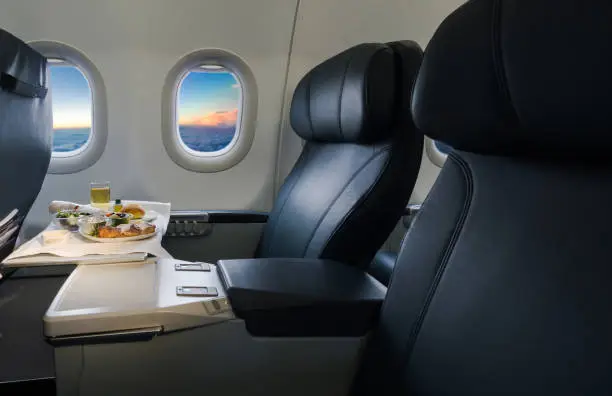
Travelers choosing business class benefit from reduced fatigue, improved rest, and premium in-flight
amenities that significantly enhance travel quality. The increased baggage allowance and lounge access
further contribute to seamless travel, especially for business travelers and families.
Arriving in Delhi: First Impressions and Cultural Transition
Delhi welcomes travelers with a blend of ancient heritage and modern urban energy. The city is known for its
bustling streets, architectural marvels, diverse cuisine, and dynamic cultural landscape. First-time
visitors often find Delhi both overwhelming and fascinating, making pre-trip research invaluable.
From historical monuments to contemporary shopping districts, Delhi offers something for every traveler. Its
rich history spans several empires, leaving behind architectural treasures that continue to attract global
visitors.
Exploring Historical Landmarks in Delhi
Delhi’s history unfolds through its magnificent monuments and ancient structures. The city is home to some of
the most iconic historical landmarks in India. Visitors often begin their journey by exploring centuries-old
forts, grand mosques, and imperial tombs that reflect the city’s diverse architectural heritage.
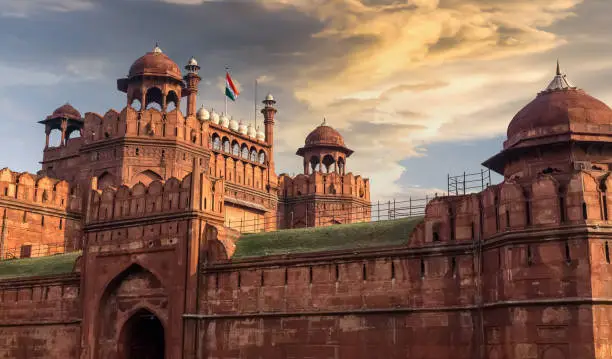
The Red Fort stands as a powerful symbol of India’s independence and Mughal architecture. Built in the
seventeenth century, this massive fortress offers insight into royal lifestyles and military strength.
Nearby, Jama Masjid stands as one of the largest mosques in Asia, offering breathtaking views of Old Delhi
from its towering minarets.
Humayun’s Tomb, a UNESCO World Heritage Site, represents early Mughal garden architecture and inspired the
construction of the Taj Mahal. Qutub Minar, another World Heritage Site, rises majestically as the tallest
brick minaret in the world, surrounded by ancient ruins and intricate carvings.
Experiencing Modern Delhi and Urban Attractions
Beyond historical landmarks, Delhi showcases a modern side filled with art galleries, performance theaters,
business districts, and vibrant nightlife. Connaught Place serves as the commercial heart of the city,
offering shopping, dining, and cultural experiences within colonial-era architecture.
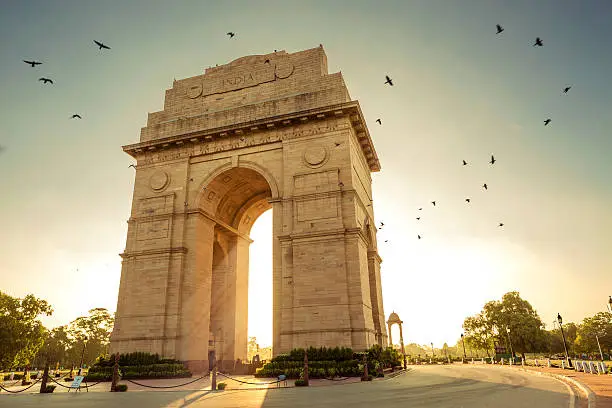
India Gate stands proudly as a national war memorial surrounded by lush lawns, making it a popular gathering
spot for families and tourists. Nearby, Rashtrapati Bhavan, the official residence of the President of
India, reflects colonial grandeur and offers guided tours for visitors interested in political history.
Akshardham Temple presents a stunning blend of traditional Indian architecture and modern craftsmanship,
offering visitors cultural exhibitions, water shows, and spiritual experiences.
Shopping Destinations in Delhi
Shopping in Delhi is an adventure in itself, offering everything from luxury boutiques to bustling street
markets. Visitors seeking modern retail experiences can explore upscale shopping malls and branded outlets
across the city.
Traditional markets such as Chandni Chowk offer a glimpse into Delhi’s historic trading culture. Narrow lanes
lined with centuries-old shops sell spices, textiles, jewelry, and handcrafted souvenirs. Karol Bagh and
Lajpat Nagar are popular for affordable clothing, accessories, and local crafts, making them favorite spots
for bargain hunters.
For high-end shopping, South Delhi neighborhoods offer designer boutiques, premium brands, and curated
lifestyle stores, providing global shopping experiences.
Delhi’s Culinary Landscape: A Food Lover’s Paradise
Delhi’s food culture reflects its diverse history and cosmopolitan population. The city offers flavors from
every region of India, ranging from spicy street food to gourmet fine dining.
Street food stalls serve iconic dishes such as chaat, kebabs, parathas, and sweets, drawing crowds throughout
the day. Old Delhi, in particular, is famous for its legendary food lanes, where recipes passed down
generations continue to delight visitors.
Modern restaurants and cafés in Delhi present international cuisines alongside fusion dishes, ensuring that
travelers from all backgrounds find comfort in familiar flavors while exploring local tastes.
Best Areas to Stay in Delhi
Choosing the right accommodation area enhances travel convenience and comfort. Central Delhi offers proximity
to major landmarks and business centers, while South Delhi provides upscale neighborhoods with luxury
hotels, shopping malls, and dining hubs.
For budget travelers, areas near Connaught Place and Karol Bagh offer affordable accommodations with easy
access to public transportation. Families often prefer quieter residential areas that offer comfort, safety,
and accessibility.
Transportation and Getting Around Delhi
Delhi’s transportation network includes metro trains, taxis, ride-sharing services, and auto-rickshaws,
providing convenient connectivity across the city. The metro system is particularly efficient, covering
major tourist attractions and business districts with clean, affordable, and air-conditioned trains.
Navigating traffic during peak hours requires patience, but modern infrastructure improvements have
significantly enhanced mobility. Planning daily itineraries based on location clusters helps minimize travel
time and maximize sightseeing opportunities.
Cultural Etiquette and Travel Tips
Understanding local customs enhances cultural appreciation and respectful interactions. Modest clothing is
recommended when visiting religious sites. Removing shoes before entering temples and mosques demonstrates
respect for traditions.
Learning basic greetings and polite phrases fosters positive communication. Staying hydrated, using bottled
water, and carrying hand sanitizers ensure personal health safety.
Health, Safety, and Travel Preparation
Travelers should ensure vaccinations are up-to-date and carry essential medications. Delhi offers world-class
medical facilities, but basic precautions help prevent minor travel discomforts.
Staying alert in crowded areas, securing valuables, and using reputable transportation services contribute to
personal safety. Travel insurance provides additional peace of mind for international journeys.
Business and Corporate Travel to Delhi
Delhi serves as India’s political and business nerve center, attracting corporate travelers, diplomats, and
international investors. Modern business districts, luxury hotels, and world-class conference facilities
support professional travel requirements.
Business travelers often prefer premium cabin travel for comfort, productivity, and schedule efficiency. The
availability of the best business class flight
deals allows professionals to experience luxury travel
without high costs, improving both performance and travel satisfaction.
Travel Assistance and Personalized Support
Professional travel planning enhances convenience and reduces stress, particularly for international
journeys. For itinerary planning, booking changes, seat upgrades, or urgent travel assistance, travelers can
easily get in touch with experienced professionals who
provide personalized solutions and responsive
support.
Final Thoughts
Traveling from Washington to Delhi is a transformative journey that bridges two culturally rich capitals.
Whether your purpose is leisure, family reunion, or business, thoughtful planning ensures both comfort and
affordability.
By selecting the right flight timing, cabin class, and travel season, visitors can create a seamless journey
while enjoying Delhi’s unmatched heritage, culinary diversity, shopping destinations, and cultural vibrancy.
This destination-focused guide provides all essential insights, empowering travelers to explore Delhi
confidently and meaningfully.
FAQs:
The average travel time for a flight from Washington to Delhi typically ranges between fourteen
and twenty hours, depending on the route, number of connections, and layover duration. Nonstop
flights offer the fastest travel experience, while one-stop flights provide flexible scheduling
options.
The best time to book flight tickets from Washington to Delhi is usually six to ten weeks before
departure. Booking early allows travelers to access better fares, wider seat availability, and
flexible travel schedules. Traveling during off-peak seasons can further reduce costs.
Yes, business class is often worth it for long-haul journeys like Washington to Delhi due to
enhanced comfort, fully reclining seats, premium dining, lounge access, priority boarding, and
extra baggage allowance. It significantly reduces travel fatigue and improves overall comfort.
Delhi offers numerous must-visit attractions, including historical landmarks, cultural
monuments, bustling markets, and modern entertainment districts. The city blends ancient
heritage with contemporary lifestyle, making it ideal for sightseeing, shopping, and culinary
exploration.
A stay of four to six days is ideal for exploring Delhi comfortably. This allows travelers to
visit major historical sites, enjoy shopping areas, experience local cuisine, and explore
cultural attractions without rushing.
Visitors should stay hydrated, wear comfortable clothing, use reliable transportation, carry
local currency, follow cultural etiquette at religious sites, and plan sightseeing based on
location clusters to avoid traffic delays.




.png)