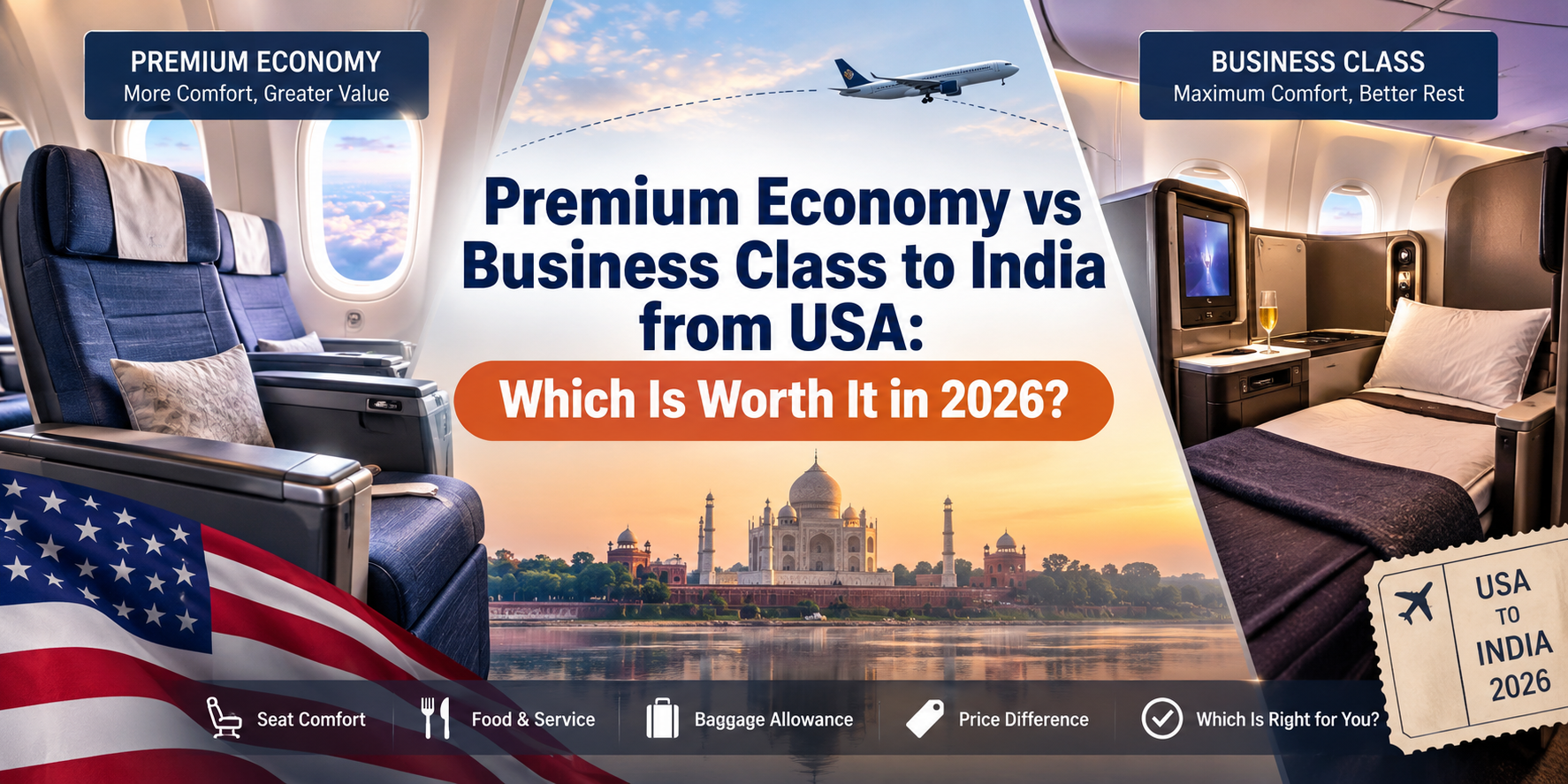
Long-haul international travel requires careful planning, especially on routes that stretch beyond thirteen
hours in the air. The journey between New York and Delhi is one of the most popular long-distance routes
connecting North America and India. Because of the extended flight duration, choosing the right cabin class
plays a major role in how rested and comfortable you feel upon arrival.
For travelers researching
flights from New York to Delhi, understanding the difference between economy and
business class can help set realistic expectations about space, services, and overall travel quality. This
guide explains those differences clearly so you can make an informed decision.
Overview of the New York to Delhi Route
Nonstop flights between New York and Delhi typically take between 13 and 16 hours, depending on weather
conditions and flight paths. Some itineraries include one stop, which may reduce fare costs but increase
total travel time. Because of the long duration, seating comfort, onboard amenities, and meal services
become more significant than they would be on shorter international routes.
Aircraft operating on this route are usually wide-body jets designed for long-haul travel, offering multiple
cabin classes and advanced in-flight entertainment systems.
Economy Class Experience
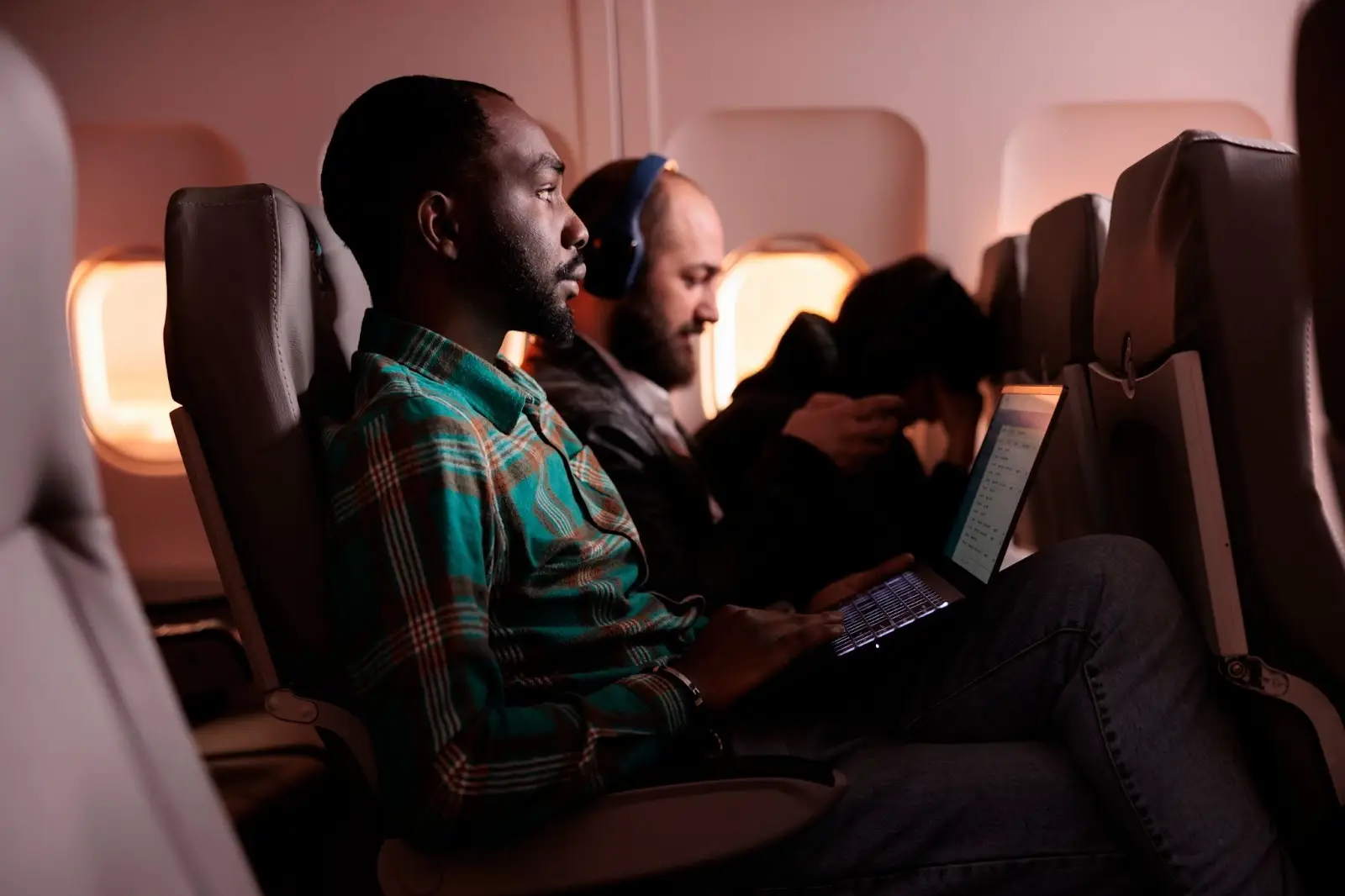
Economy class is the most commonly selected option for New York to Delhi flights. It is designed to provide
essential comfort at a more accessible price point. Seats are generally arranged in rows of nine or ten
across, depending on the aircraft model. While legroom is moderate, most airlines offer adjustable headrests
and limited seat recline to improve comfort. Travelers comparing fares through platforms like Myflyyatra can
review different aircraft types and seating configurations before making a decision.
Passengers in economy class typically receive two main meals during the flight along with complimentary
beverages. Special meals such as vegetarian, vegan, or religious dietary options can often be requested
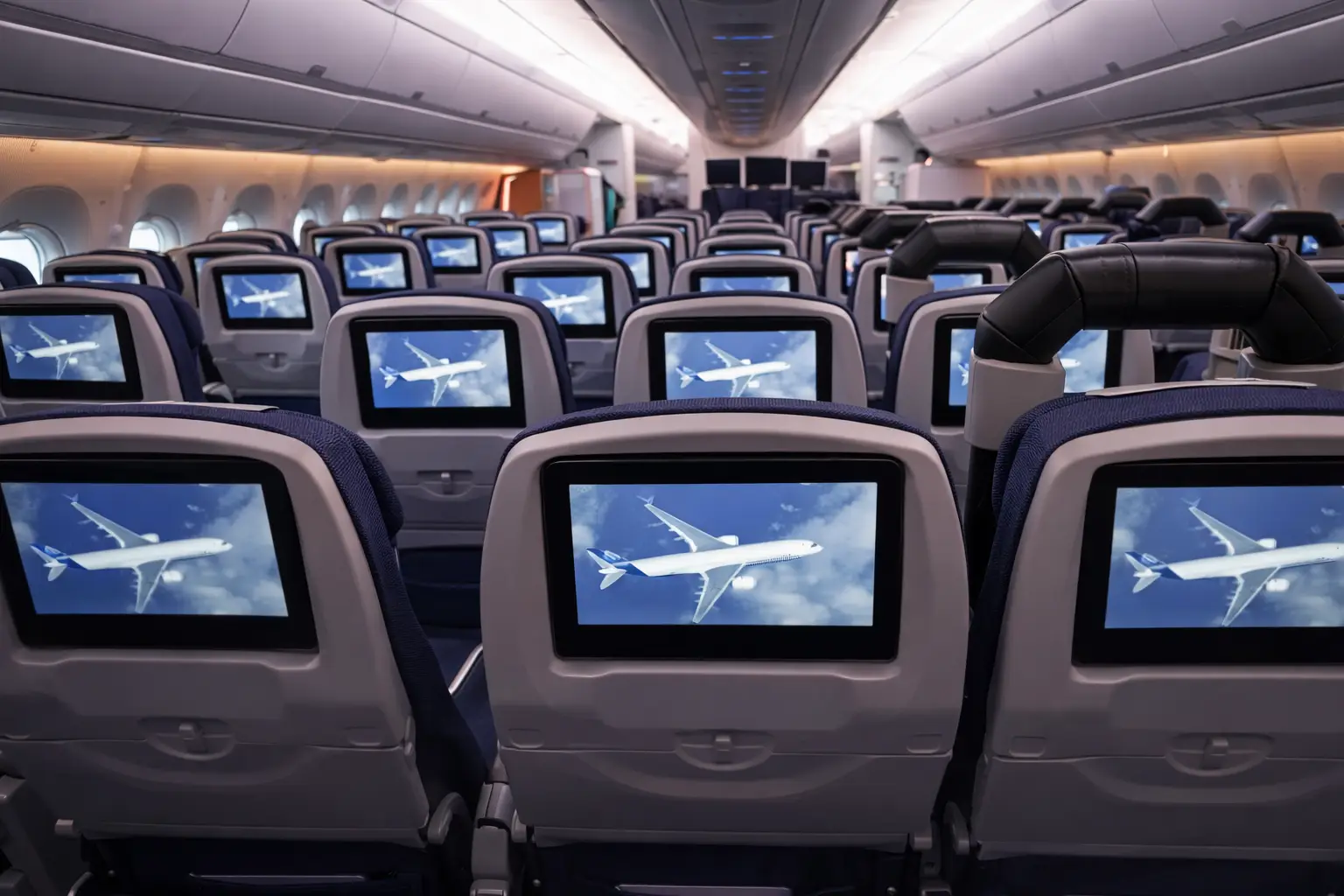
before departure. In-flight entertainment systems usually include personal seatback screens with a variety
of movies, television shows, music, and games, helping make the long journey more manageable.
Baggage allowances in economy generally include at least one checked bag and one carry-on, though the exact
weight limits vary by airline. When booking through Myflyyatra, travelers can also compare baggage policies
across carriers to avoid surprises. While economy seating may feel compact on a long journey, many
passengers find it manageable with proper preparation, such as selecting aisle seats for easier movement or
bringing supportive travel accessories.
Overall, economy class is best suited for passengers who prioritize affordability and are comfortable with
standard seating arrangements while still enjoying essential long-haul services.
Business Class Experience
Business class on flights from New York to
India offers a significantly upgraded experience, especially
valuable on overnight or ultra-long-haul journeys. Seating layouts are typically configured to provide more
privacy and space, often in a 1-2-1 arrangement that gives each passenger direct aisle access. Many airlines
provide fully lie-flat seats that convert into beds, allowing travelers to rest more comfortably during the
flight.
The seating area usually includes additional storage space, larger tray tables, and privacy dividers.
Bedding, pillows, and amenity kits are commonly included to enhance comfort. These features make a
noticeable difference in sleep quality compared to economy class.
Meal service in business class is also elevated. Instead of standard tray service, passengers often enjoy
multi-course meals presented with upgraded tableware. Beverage selections are more extensive, and some
airlines allow flexible dining times so travelers can eat according to their preference.
Airport services are another major advantage of business class. Travelers typically receive access to airport
lounges before departure, where they can relax in quieter surroundings, enjoy complimentary dining, use
shower facilities, or work in designated business areas. Priority check-in counters, faster security lines
in certain airports, and priority boarding further streamline the airport experience. Upon arrival, priority
baggage handling reduces waiting time at baggage claim.
Business class also includes higher baggage allowances, making it practical for extended stays or business
trips requiring additional luggage.
Comparing Economy and Business Class
The most significant difference between economy and business class lies in personal space and sleep quality.
In the economy, seating remains upright with limited recline, which can make overnight rest more challenging
on long-haul routes. In contrast, business class features lie-flat or fully flat beds that allow passengers
to stretch out and sleep comfortably, helping them arrive more refreshed. For travelers exploring even more
exclusivity, first-class flights to New
Delhi provide an elevated level of privacy, often including enclosed
suites, personalized service, and premium onboard features beyond business class.
Service levels also vary noticeably between cabins. Economy class focuses on essential services such as
standard meal offerings and personal entertainment screens. Business class enhances the experience with
multi-course dining, upgraded beverages, premium amenity kits, airport lounge access, and priority check-in
and boarding. On select airlines, first-class flights to New Delhi may also include private cabin spaces,
dedicated cabin crew attention, and exclusive lounge facilities. Baggage allowances and boarding procedures
further distinguish these travel experiences, with higher limits and faster airport processing in premium
cabins.
While business and first class options provide greater comfort, privacy, and convenience, they come at a
higher fare level. Economy remains a practical and efficient choice for travelers who prefer to manage costs
while still enjoying reliable long-haul services. The right option ultimately depends on personal comfort
priorities, travel purpose, and budget flexibility.
How to Choose the Right Cabin
Selecting the right class depends on travel priorities. If arriving well-rested is essential, especially for
business meetings or tight schedules, business class may justify the additional investment. For leisure
travelers or those comfortable managing long-haul seating, economy class provides reliable service at a
lower cost.
Regardless of cabin choice, preparing for long flights by staying hydrated, stretching periodically, and
adjusting sleep schedules before departure can improve overall comfort.
Conclusion
New York to Delhi flights are among the longest nonstop international routes, making cabin selection an
important decision. Economy class offers affordability and essential services suitable for many travelers,
while business class provides enhanced space, privacy, lounge access, premium dining, and superior rest
through lie-flat seating.
Understanding the comfort differences, onboard services, and overall benefits of each class helps travelers
make informed choices by evaluating your priorities, whether budget, rest, convenience, or luxury, you can
ensure a smoother and more comfortable journey on flights from New York to Delhi, India. If you would like
personalized guidance in selecting the right cabin or itinerary, you can book an Appointment for expert assistance tailored to
your travel needs.
FAQs:
Nonstop flights typically take between 13 and 16 hours, depending on flight conditions.
The primary difference is seating. Economy offers standard reclining seats, while business class
typically provides lie-flat beds and more personal space.
Yes, most airlines offer complimentary lounge access to business class passengers before
departure.
Yes, meals are included in both economy and business class, though business class offers a more
premium and multi-course dining experience.
For many travelers, especially on overnight flights, the improved sleep, privacy, and airport
services make business class a valuable option.




.png)